FAQ
Doha Travel Questions Answered
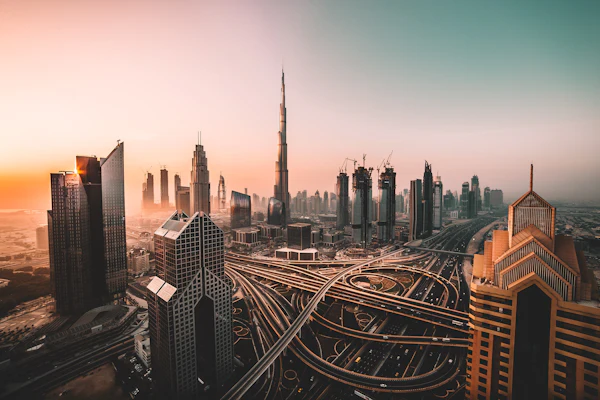


See all the Middle East & Africa destinations →
Last updated: June 2026
ESC
arrow keys navigate | Enter select | Esc close
Doha rose from a pearl-fishing village to one of the world's wealthiest cities in a single generation. The result is extraordinary: a skyline of glass towers reflected in the Arabian Gulf, two of the world's great museums, and a traditional souk that hasn't changed in centuries — all within walking distance.
Plan My TripDoha is Qatar's capital and its only major city — a compact, walkable metropolis where extraordinary wealth has funded extraordinary ambition. The Museum of Islamic Art, designed by I.M. Pei, sits on its own island in the bay and houses one of the greatest collections of Islamic artefacts in the world. The National Museum of Qatar, shaped like a desert rose, tells the story of this remarkable peninsula.
But Doha is not just museums. Souq Waqif is a restored traditional market where falconers sell their birds and the smell of oud drifts through the alleyways. The Corniche provides a 7km waterfront walk with the West Bay skyline as a backdrop. And 80 minutes south, the Inland Sea (Khor Al Adaid) is one of the few places on earth where massive sand dunes plunge directly into the sea.
Doha's transformation from fishing village to global city in a single generation is visible in its architecture — the Corniche skyline juxtaposes modernist towers against dhow-dotted waters, while the Museum of Islamic Art sits on its own island, designed by I.M. Pei in his final major commission. This is a city still writing its story, and that energy is palpable.
🗺️✨ Your personalised itinerary in about 1 minute, with real booking links
🔒 We never sell or share your details. If you add an email, we send your itinerary and a few trip tips — unsubscribe anytime.
Most flights land in the morning. Most hotels check in at 3pm. That gap is the part of a trip nobody plans — and it is usually the part that gets wasted. Three things, in order, turn it into your first afternoon of sightseeing.
Airport wifi is slow and the queue at the SIM kiosk is long. Install a travel eSIM at home, activate it on landing, and you have maps, tickets and taxis working before you reach passport control. Your home number stays active on the second line.
Left luggage points sit next to most Doha stations and in shops across the centre — booked from your phone, insured, and cheaper than dragging a suitcase through a museum. The same trick works on your last day, after checkout.
Hands free and connected, you have half a day left. Pick one timed-entry sight rather than wandering — arrival day is when queues hurt most and energy runs lowest. The planner above builds the rest of the trip around it.
Oct–Apr (Cool season) Temperatures 15–28°C — perfect for outdoor sightseeing along the Corniche and visits to the Inland Sea. The city's events calendar peaks in this window, including the Qatar International Food Festival.
May–Sep (Summer) Temperatures exceed 45°C. Outdoor activities are impractical during the day. However, malls, museums and hotels are air-conditioned. Hotel rates are at their lowest.
Ramadan (timing varies) A unique and authentic experience — the city transforms at iftar with communal meals along the Corniche. Many tourists find Ramadan Doha unexpectedly moving and quieter than usual.
Explore Doha Experiences →Doha Metro Opened in 2019, the Metro covers most tourist areas on three lines. The Gold Line connects the airport to Souq Waqif and West Bay. Clean, modern and cheap (from QR 2 per journey).
Taxis / Karwa The official orange Karwa taxis are metered and reliable. Uber also operates. Essential for Katara Cultural Village and The Pearl, which aren't well-served by metro.
Desert tours Khor Al Adaid (Inland Sea) and the dunes of the southern desert require a 4WD vehicle. Pre-booked guided safari tours are by far the easiest option — they handle permits, driving and equipment.
Explore Doha Experiences →Doha's financial district and skyline — towers of glass and steel arranged around the bay. The Corniche 7km promenade runs along the waterfront here, offering the city's best skyline views at night.
The beating cultural heart of Doha. A restored traditional market with spice stalls, falconry shops, Arabic restaurants and shisha cafés. The Museum of Islamic Art stands on its own island just offshore — walk there for free.
A purpose-built cultural complex hosting theatres, galleries, restaurants and an authentic Greek amphitheatre. Katara hosts international cultural events throughout the cool season.
A man-made island modelled on the Mediterranean — marinas, luxury boutiques, European-style promenades and high-end dining. The most photogenic neighbourhood for an evening stroll.
Last updated: June 2026