Must-See
Top Lisbon Attractions & Tickets
Lisbon ticket guides
Which ticket, where to buy it, when to go
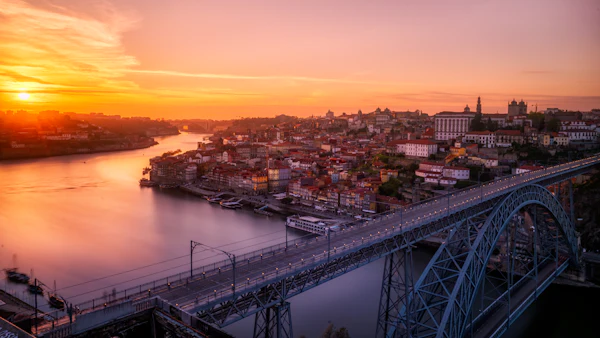
Lisbon seduces with its golden light, sun-bleached azulejo tiles, melancholic fado echoing through Alfama's cobbled lanes and day trips to fairy-tale Sintra.
Plan My TripEurope's westernmost capital is having its golden moment — but hasn't lost its soul. Lisbon rewards those who wander: a pastel de nata from an Alfama bakery at sunrise, a yellow tram rattling past tiled facades, a viewpoint (miradouro) where the whole city seems to sigh.
The historic Belém district offers the Jerónimos Monastery and Belém Tower — both UNESCO World Heritage Sites. An hour by train, Sintra's fairy-tale palaces set in forested hills are unmissable. And at night, fado — Portugal's soulful music of longing — fills every taverna in Alfama.
🗺️✨ Your personalised itinerary in about 1 minute, with real booking links
🔒 We never sell or share your details. If you add an email, we send your itinerary and a few trip tips — unsubscribe anytime.
Most flights land in the morning. Most hotels check in at 3pm. That gap is the part of a trip nobody plans — and it is usually the part that gets wasted. Three things, in order, turn it into your first afternoon of sightseeing.
Airport wifi is slow and the queue at the SIM kiosk is long. Install a travel eSIM at home, activate it on landing, and you have maps, tickets and taxis working before you reach passport control. Your home number stays active on the second line.
Left luggage points sit next to most Lisbon stations and in shops across the centre — booked from your phone, insured, and cheaper than dragging a suitcase through a museum. The same trick works on your last day, after checkout.
Hands free and connected, you have half a day left. Pick one timed-entry sight rather than wandering — arrival day is when queues hurt most and energy runs lowest. The planner above builds the rest of the trip around it.
March–May Spring is Lisbon at its most beautiful — jacaranda trees in full purple bloom, mild temperatures (16–22°C) and manageable crowds before the summer rush. Ideal for exploring Sintra's lush gardens.
September–October Autumn brings warm sea-swimming weather (22–26°C) and a marked drop in tourist numbers after August. The light is extraordinary — photographers flock for the golden hour on the Tagus River.
June–August Peak summer is hot (28–32°C) and busy, especially in Alfama and Sintra. Book everything — particularly Pena Palace — weeks in advance. The Santo António festival in June is a joyful highlight.
Explore Lisbon Experiences →Trams & Metro The historic trams (especially Line 28) are iconic but extremely crowded — consider them a tourist attraction rather than practical transport. The modern Metro covers 4 lines and is efficient for longer distances.
On foot Lisbon's hills make it demanding on foot — wear good shoes. The Baixa-Chiado-Alfama triangle is walkable in 30 minutes but feels much longer uphill. Funiculars (elevadores) ease the climb to viewpoints.
Train to Sintra & CascaisCP trains from Rossio station reach Sintra in 40 minutes. Trains from Cais do Sodré reach Cascais in 40 minutes — both lines run every 20–30 minutes.
Explore Lisbon Experiences →Lisbon's oldest neighbourhood — a labyrinth of Moorish-era alleyways, miradouros with sweeping river views, and the city's finest fado houses. Visit São Jorge Castle for panoramic views over the city and Tagus River.
A riverside district steeped in Portugal's Age of Discovery — the magnificent Jerónimos Monastery, Belém Tower, Monument to the Discoveries, and the legendary Pastéis de Belém bakery (pastel de nata, the original since 1837).
Chiado is elegant — independent bookshops, the historic Bertrand bookstore (world's oldest), boutiques and café culture. Adjacent Bairro Alto transforms at night into Lisbon's most lively bar district.
A repurposed industrial complex in Alcântara that's become Lisbon's coolest creative hub — independent restaurants, design shops, a Sunday market and live music. The bookshop inside is a must-visit.
Last updated: June 2026